Introduction
Cervical Incompetence Treatment in Warangal is an important aspect of maternal and reproductive healthcare for women who may be at risk of pregnancy complications due to cervical weakness. Cervical incompetence, also known as an incompetent cervix or cervical insufficiency, occurs when the cervix begins to shorten, soften, or open too early during pregnancy without contractions or labor.
This condition can increase the risk of miscarriage or preterm birth, particularly during the second trimester. Early diagnosis and appropriate treatment can help improve pregnancy outcomes and support the health of both mother and baby. At MedHealth Hospital, experienced gynecologists and maternal health specialists provide comprehensive care for women diagnosed with cervical incompetence.
What is Cervical Incompetence?
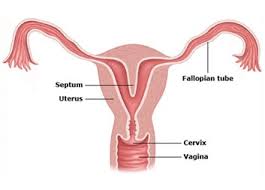
The cervix is the lower part of the uterus that remains closed during pregnancy to help protect the growing baby. Normally, the cervix begins to soften and open only as labor approaches.
In women with cervical incompetence, the cervix may open prematurely without warning signs of labor. This can lead to pregnancy loss or premature delivery if not properly managed.
Although cervical incompetence is relatively uncommon, it is an important condition that requires careful monitoring during pregnancy.
What Causes Cervical Incompetence?
Several factors may contribute to cervical weakness, including:
Previous Cervical Procedures
Surgical procedures involving the cervix may affect cervical strength in some women.
Cervical Injury
Trauma to the cervix from previous childbirth or medical procedures may increase the risk of cervical insufficiency.
Congenital Conditions
Some women may be born with structural cervical abnormalities that affect cervical function.
Uterine Abnormalities
Certain uterine conditions may be associated with an increased risk of cervical incompetence.
Understanding the underlying cause helps specialists develop an appropriate treatment plan.
7 Important Facts About Cervical Incompetence
1. It Can Occur Without Symptoms
Many women may not experience noticeable symptoms until cervical changes have already begun.
2. It May Lead to Pregnancy Loss
Cervical incompetence can increase the risk of second-trimester miscarriage if left untreated.
3. It Can Cause Preterm Birth
Premature cervical opening may result in early delivery.
4. Early Diagnosis Improves Outcomes
Regular prenatal care helps identify cervical changes before complications occur.
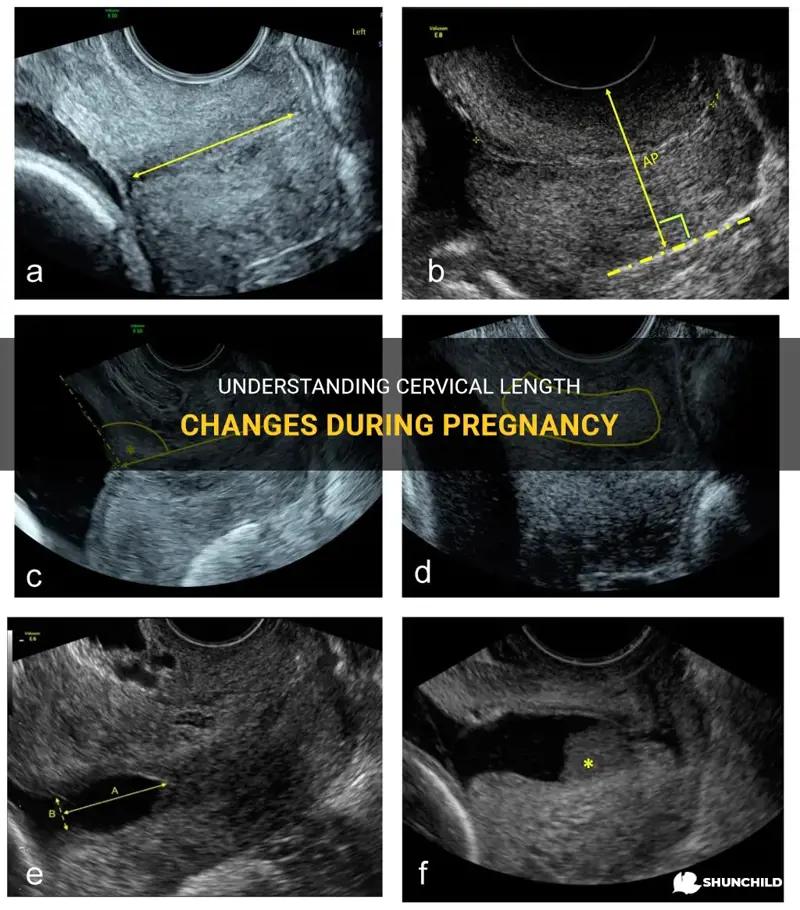
5. Ultrasound Monitoring is Important
Specialized ultrasound examinations can help assess cervical length during pregnancy.
6. Effective Treatments Are Available
Modern medical treatments can help reduce the risk of pregnancy complications.
7. Specialized Care is Essential
Women with cervical incompetence benefit from close monitoring by experienced maternal health specialists.
Symptoms of Cervical Incompetence
While some women may have no symptoms, others may experience:
- Pelvic pressure
- Mild abdominal discomfort
- Back pain
- Increased vaginal discharge
- Light vaginal spotting
These symptoms can occur during the second trimester and should be evaluated by a healthcare professional.
How is Cervical Incompetence Diagnosed?
Diagnosis may involve:
- Review of medical and pregnancy history
- Physical examination
- Transvaginal ultrasound
- Cervical length assessment
Regular monitoring allows specialists to identify cervical changes and intervene when necessary.
Treatment Options for Cervical Incompetence
Cervical Cerclage
Cervical cerclage is a procedure in which a stitch is placed around the cervix to help keep it closed during pregnancy.
Progesterone Therapy
Progesterone treatment may be recommended for selected patients to help support pregnancy.
Regular Monitoring
Frequent ultrasound evaluations help monitor cervical length and assess pregnancy progress.
Lifestyle Recommendations
Activity modifications and individualized pregnancy care plans may be advised depending on the patient’s condition.
Why Choose MedHealth Hospital for Cervical Incompetence Treatment in Warangal?
MedHealth Hospital provides comprehensive maternal healthcare, advanced diagnostic services, and personalized treatment plans for women with cervical incompetence. Our experienced specialists focus on early diagnosis, close monitoring, and evidence-based treatment strategies to support healthy pregnancies.
We are committed to providing compassionate care and helping women achieve the best possible pregnancy outcomes.
http://www.medhealthhospital.com
Learn More About Pregnancy and Reproductive Health
Women interested in learning more about pregnancy care, fertility, and reproductive health can explore educational resources provided by the American College of Obstetricians and Gynecologists. Learn more about women’s health and pregnancy care at https://www.acog.org/womens-health. These resources provide valuable information about pregnancy complications, prenatal care, and reproductive health.
Conclusion
Cervical Incompetence Treatment in Warangal plays a vital role in supporting women at risk of pregnancy complications due to cervical weakness. Early diagnosis, regular monitoring, and appropriate treatment can significantly improve pregnancy outcomes and reduce the risk of miscarriage or preterm birth.
If you have a history of pregnancy loss, preterm birth, or cervical insufficiency, consult the specialists at MedHealth Hospital for expert evaluation and personalized maternal healthcare.