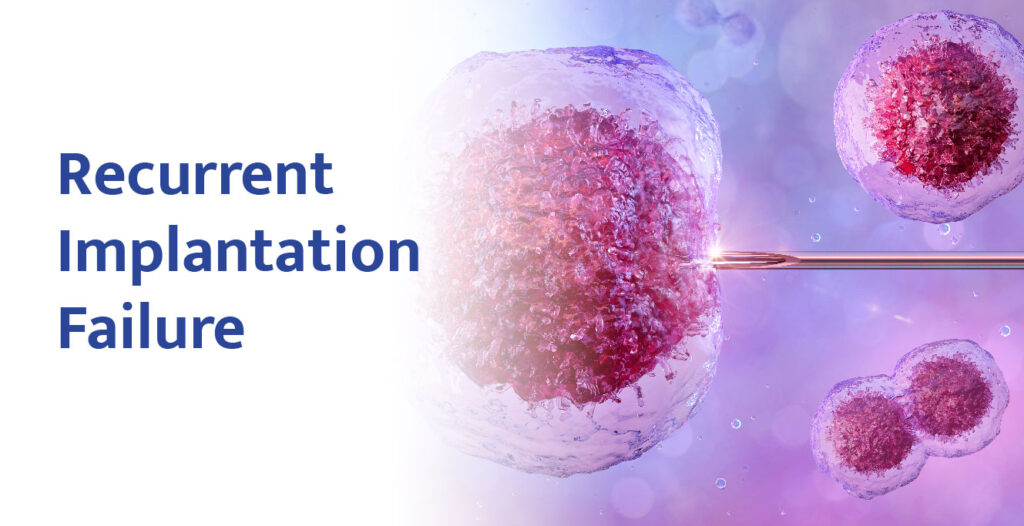
Introduction
Repeated Implantation Failure Treatment in Warangal is an important area of fertility care for couples who have experienced unsuccessful embryo implantation despite undergoing fertility treatment. Implantation is a critical step in achieving pregnancy, as it involves the embryo attaching to the lining of the uterus. When implantation repeatedly fails, it can be emotionally challenging and may require a detailed fertility evaluation.
At MedHealth Hospital, fertility specialists provide comprehensive assessment and personalized treatment plans to identify the underlying causes of implantation failure and improve the chances of a successful pregnancy.
What is Repeated Implantation Failure?
Repeated Implantation Failure (RIF) refers to the failure of embryos to implant successfully after multiple embryo transfer attempts during fertility treatment. Although there is no universally accepted definition, it generally involves repeated unsuccessful embryo transfers despite the use of good-quality embryos.
Several factors can contribute to implantation failure, making proper diagnosis essential for effective treatment.
7 Common Causes of Repeated Implantation Failure
1. Poor Embryo Quality
Embryo quality is one of the most important factors influencing implantation success. Chromosomal abnormalities within embryos can reduce the likelihood of successful implantation.
2. Uterine Abnormalities
Conditions such as fibroids, uterine polyps, adhesions, or congenital uterine abnormalities may interfere with embryo implantation.
3. Thin Endometrial Lining
The uterine lining plays a crucial role in implantation. A thin or poorly developed endometrium may reduce the chances of embryo attachment.
4. Hormonal Imbalances
Hormonal disorders can affect endometrial development and embryo implantation. Proper hormonal evaluation is essential during fertility treatment.
5. Genetic Factors
Genetic abnormalities in either partner may contribute to repeated implantation failure. Advanced genetic testing can help identify these issues.
6. Immune System Factors
In some cases, immune-related conditions may affect the body’s ability to support successful implantation.
7. Lifestyle and Health Conditions
Smoking, obesity, chronic stress, uncontrolled diabetes, and other health conditions may negatively impact reproductive health and implantation outcomes.
Symptoms and Warning Signs
Repeated implantation failure does not always produce noticeable symptoms. However, couples may become concerned when multiple embryo transfer cycles fail to result in pregnancy.
Patients with a history of recurrent IVF failure, recurrent miscarriage, or uterine abnormalities should consult a fertility specialist for further evaluation.
How is Repeated Implantation Failure Diagnosed?
Accurate diagnosis is the key to developing an effective treatment strategy. Fertility specialists may recommend:
- Hormonal testing
- Ultrasound evaluation
- Hysteroscopy
- Genetic screening
- Endometrial assessment
- Embryo quality analysis
A detailed evaluation helps identify potential factors that may be affecting implantation.
Treatment Options for Repeated Implantation Failure
Personalized Fertility Treatment
Each patient has unique fertility challenges. Customized treatment plans help address individual reproductive needs.
Advanced Embryo Screening
Genetic screening techniques may help identify embryos with better implantation potential.
Treatment of Uterine Conditions
Correcting fibroids, polyps, or uterine abnormalities may improve implantation success.
Hormonal Support
Appropriate hormonal therapy may help prepare the uterine lining for implantation.
Lifestyle Improvements
Maintaining a healthy weight, managing stress, and adopting healthy lifestyle habits may support fertility treatment outcomes.
Why Choose MedHealth Hospital for Repeated Implantation Failure Treatment in Warangal?
MedHealth Hospital offers advanced fertility evaluation and reproductive care supported by experienced specialists and modern fertility technologies.
Our team focuses on identifying the root causes of implantation failure and developing personalized treatment plans designed to maximize pregnancy success rates. We provide compassionate care and evidence-based fertility solutions for every patient.
http://www.medhealthhospital.com
Learn More About Fertility and Implantation
Couples interested in understanding fertility treatment and reproductive health can explore educational resources provided by the American Society for Reproductive Medicine. Learn more about infertility, IVF, and implantation-related conditions at https://www.reproductivefacts.org. These resources offer valuable information about fertility evaluation and treatment options.
Conclusion
Repeated Implantation Failure Treatment in Warangal requires a thorough evaluation of embryo quality, uterine health, hormonal balance, and overall reproductive function. Identifying the underlying causes can help fertility specialists create effective treatment strategies and improve the chances of successful implantation.
If you have experienced repeated implantation failure, consult the fertility experts at MedHealth Hospital to explore advanced diagnostic and treatment options tailored to your individual needs.
Leave a Reply